600 million Africans without reliable electricity aren’t just statistics—they’re communitieslocked out of economic opportunity, climate adaptation, and basic quality of lifeimprovements. This essay examines why energy access must be framed as a justiceissue, not charity, and how Nigeria’s energy transition can be designed to prioritizeequity alongside sustainability.
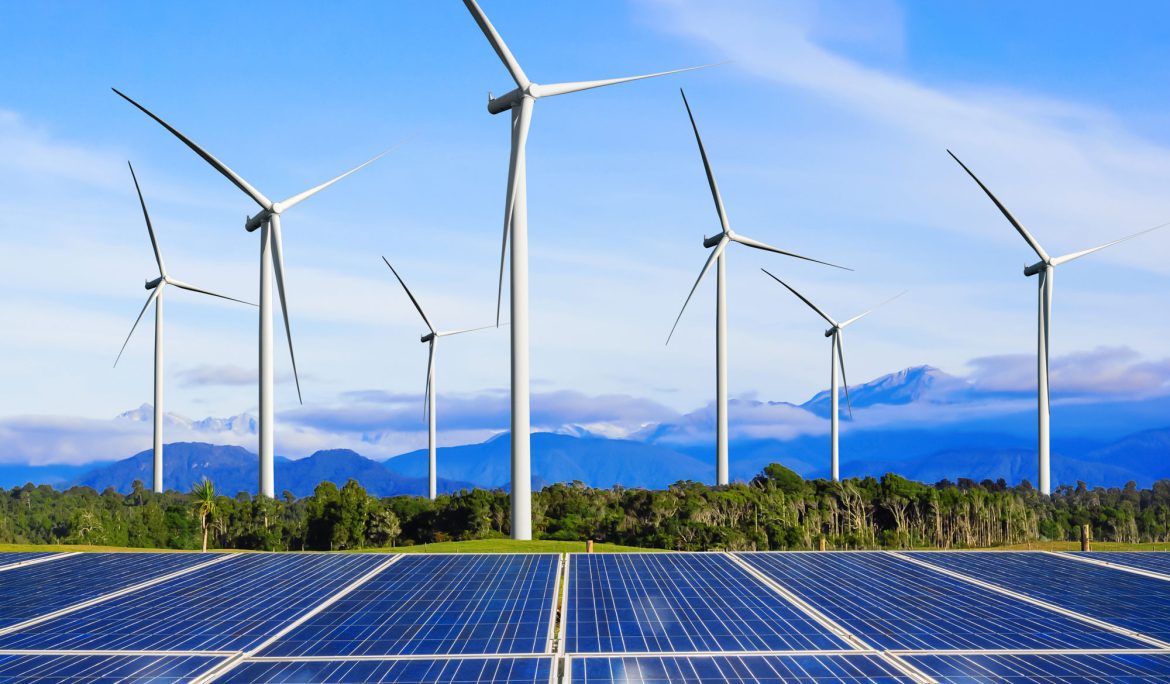
Nigerian farmers lose billions annually to post-harvest waste due to lack of affordablecold storage. This isn’t just an agricultural problem—it’s an energy access problem witha renewable solution. We explore the economics of solar-powered cold storage, whyexisting solutions haven’t reached smallholders, and how our research-driven approachaddresses the affordability
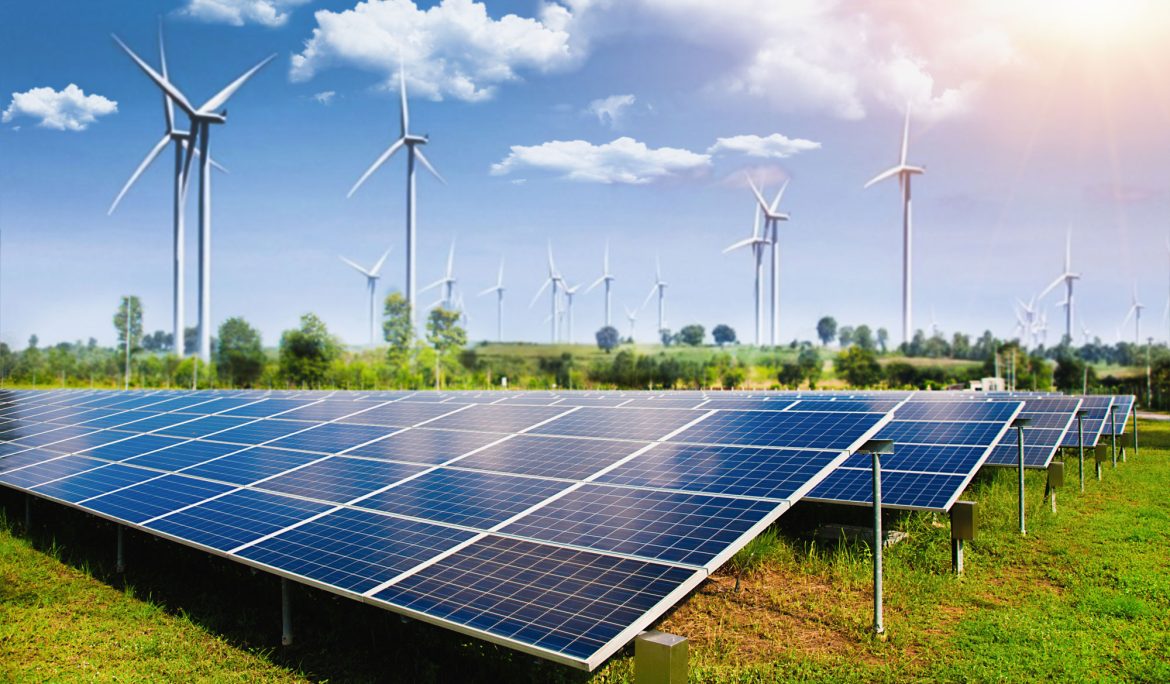
Through years of direct customer engagement, we identified three critical gaps inimported renewable energy products: inappropriate sizing for local needs, lack ofmaintenance infrastructure, and designs that ignore Nigeria’s unique climate conditions.This research brief explores what we learned and how it’s informing our productdevelopment approach—designing solutions from the
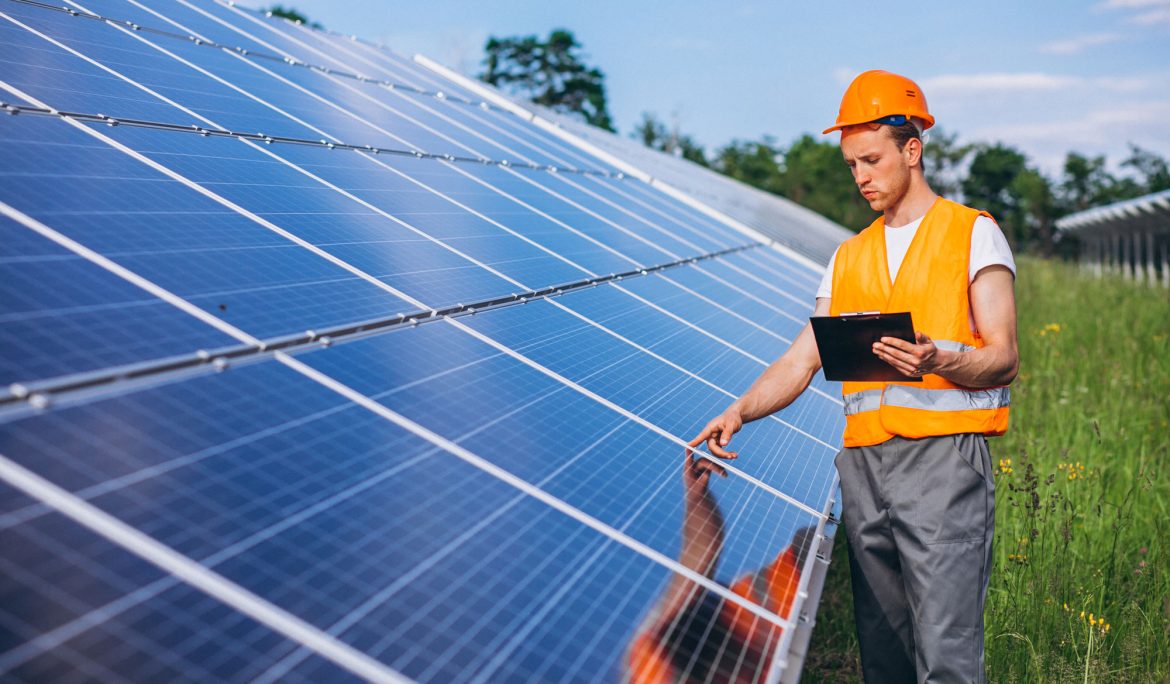
After three years of frontline solar installations serving households across Lagos andAbuja, we’ve officially registered with Nigeria’s Corporate Affairs Commission. Thisformalization marks our strategic evolution from opportunistic sales to full-timeresearch-driven product development. Learn about the insights from our operationalexperience that shaped this transition and what comes next